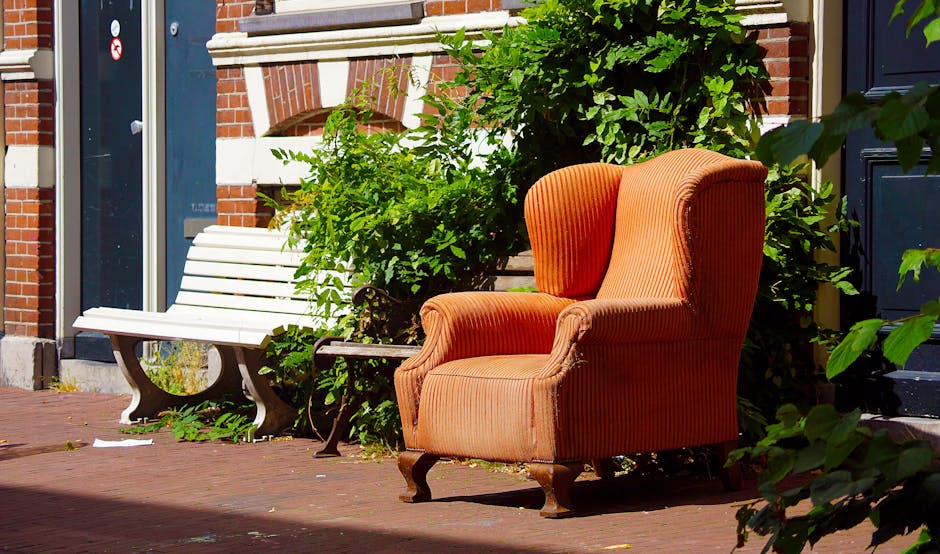
Furniture disposal rules in Harrow and removals compliance: a practical guide for safe, legal removals
If you are clearing out a flat, replacing a sofa, or managing a full house move, furniture disposal rules in Harrow and removals compliance can feel oddly complicated. One minute you are trying to shift a wardrobe, the next you are wondering whether it counts as waste, who is responsible for it, and what happens if it ends up dumped somewhere it should not be. Truth be told, most problems start with that one rushed decision on a busy day.
This guide breaks everything down in plain English. You will learn how furniture disposal usually works in Harrow, why removals compliance matters, what to check before handing items over, and how to avoid the awkward mistakes that can create fines, delays, or unnecessary stress. If you are planning a move, coordinating a clearance, or comparing furniture removals and disposal options, this article is built to help you make a calm, sensible decision.
And yes, there is a right way to do it. Not glamorous, maybe, but definitely worth doing properly.
Why furniture disposal rules in Harrow and removals compliance matters
Furniture disposal is not just about getting rid of old stuff. In a removal context, it is also about handling items responsibly, protecting property, and making sure waste is dealt with in a lawful, traceable way. That matters in Harrow just as much as anywhere else in London.
Here is the practical reality: once furniture leaves your home, office, or storage unit, it should not become an untracked problem. If it is fly-tipped, left in a communal area, or collected by someone who is not handling waste properly, the mess can bounce back onto you. Nobody wants a follow-up call about a mattress blocking a shared pavement or a cabinet left behind near a bin store. You can imagine the look on the neighbours' faces.
Compliance matters for another reason too. Removal work often involves more than lifting items. It can include access planning, safe loading, insurance, transport, recycling choices, and checking whether the remover or carrier is fit for the job. That is where a reputable operator such as removal services becomes useful: not because it sounds neat on a website, but because the behind-the-scenes process is what keeps the move smooth.
There is also a reputational side. Landlords, letting agents, business owners, housing managers, and homeowners increasingly expect furniture disposal to be documented and tidy. A cluttered exit can create disputes. A clean one? Far easier to close out.
Expert summary: If a furniture item is being removed as waste, treat it as a compliance task, not a casual throwaway. Good planning, safe handling, and proper routing matter more than people think.
How furniture disposal rules in Harrow and removals compliance works
At a practical level, furniture disposal usually follows one of three paths: re-use, recycling, or disposal. The right path depends on the item's condition, size, material mix, and whether it can be safely moved without damage or risk.
1. Re-use comes first where possible
Well-kept furniture may be suitable for passing on, donating, or storing for later use. For removals teams, this is often the cleanest option, especially if the item is still structurally sound and does not need dismantling beyond normal handling. A solid oak table is not the same as a chipped flat-pack shelf that has already been assembled and reassembled a few too many times.
2. Recycling is the next sensible route
When furniture cannot be reused, it may still be recyclable in part. Many items are a mix of wood, metal, textiles, foam, and fixings. That mix is exactly why careful sorting matters. The more mixed the materials, the more thought is needed before the item is loaded onto a van.
3. Disposal is for items that cannot be reused or separated safely
If a piece is broken, contaminated, or simply beyond economical recovery, it may need disposal. In those cases, the removals provider should handle it through lawful waste channels. That is the bit customers rarely see, but it is the bit that matters when compliance is being judged.
For moving day, furniture disposal often ties into the wider job. A full house move might need packing support, loading, temporary holding, and onward transport. If you are managing a larger project, it can help to think beyond the single item and look at the whole chain, including packing and boxes, storage, and the final vehicle choice. A small lift-and-shift job has different requirements from a multi-room clear-out.
That is why many people choose a joined-up service rather than trying to stitch together disposal, transport, and timing themselves. To be fair, trying to juggle it all at once can turn a tidy plan into a very long Saturday.
Key benefits and practical advantages
When furniture disposal and removals compliance are handled properly, the benefits are immediate and fairly obvious.
- Less risk of complaints or disputes from neighbours, landlords, or building managers.
- Cleaner handover for house sales, tenancy ends, or office exits.
- Reduced safety hazards around lifts, stairwells, driveways, and communal areas.
- Better recycling outcomes when items are sorted responsibly.
- Fewer delays because the plan is clear before moving day starts.
- Less wasted money from hiring the wrong size vehicle or making repeat trips.
There is also a mental benefit people underestimate. Once you know the disposal side is sorted, the rest of the move usually feels lighter. One less thing to keep you awake at 11 p.m. staring at a half-packed room.
For businesses, the payoff can be even clearer. Office clearances often involve multiple desks, chairs, cabinets, and screens. Using a compliant route reduces the chance of uncontrolled waste, and it helps your team keep the move professional. A good starting point is to look at the logistics behind commercial moves and decide which items are being retained, relocated, or removed.
Who this is for and when it makes sense
This topic matters to anyone who is moving, downsizing, clearing space, or replacing furniture. Still, some readers need it more urgently than others.
Homeowners and tenants
If you are leaving a property in Harrow, you may need to remove unwanted items quickly and leave the place in good condition. That is especially relevant at the end of a tenancy, where bulky furniture can create avoidable tension. A cautious, organised approach is usually best. In our experience, even one abandoned wardrobe can complicate what should have been a clean handover.
Landlords and letting agents
For property managers, furniture disposal rules are about consistency and proof of process. You want the property cleared, the waste handled properly, and no confusion over who removed what. Keeping records, photos, and service confirmations helps more than people expect.
Businesses and office managers
Office removals often include desks, conference tables, chairs, filing units, and awkward legacy items no one wants to own. If you are moving a workspace, the disposal decision should happen early, not after the van is already outside. Many firms pair disposal with office removals or office relocation services so the move stays controlled.
Students and short-term renters
Student moves often come with budget pressure and limited time. If a bed frame or desk is not worth moving, disposal may be the smarter option. A smaller vehicle such as a man with van service can be practical for a lighter load, especially when the task is part move, part clear-out.
Anyone with bulky, heavy, or awkward furniture
Pianos, large wardrobes, old sofas, and boardroom tables all introduce extra risk. These are the jobs where compliance and safe lifting matter together. The item itself might be ordinary, but the handling is not. That is the difference.
Step-by-step guidance
If you want a sensible route through furniture disposal in Harrow, use a simple sequence. It keeps the process human, not chaotic.
- List every item
Walk through the property room by room. Note what stays, what moves, and what goes. Be honest here. The old chair in the corner is not "maybe" going to the new place. - Separate reusable from disposable items
If something is in usable condition, consider whether it should be reused rather than treated as waste. That reduces load and often saves hassle later. - Check access and lifting conditions
Stairs, lifts, narrow hallways, and tight parking all affect the job. A bulky item on the third floor is not the same as a garden chair at ground level. - Choose the right removal method
A full move, partial clearance, or single-item collection each needs a different setup. Sometimes a dedicated furniture pick up is enough. Sometimes you need a broader moving plan. - Confirm what the provider will and will not take
Some items need extra care, and some cannot be moved in normal conditions. If the furniture contains glass, electronics, or hazardous contamination, say so early. - Ask how the item will be handled after collection
Will it be reused, recycled, or disposed of? You do not need a technical lecture, but a clear answer helps build trust. - Keep a record
For landlords, offices, and larger homes, a short written note or photo log is smart. It helps if there is ever a question later.
A calm plan beats a frantic one every time. Especially on a rainy weekday morning when everyone seems to be carrying the wrong key.
Expert tips for better results
These are the small things that make a surprisingly big difference.
- Disassemble where sensible, but not recklessly. Removing legs, cushions, or detachable sections can save space. Just do not strip something so much that it becomes unstable or impossible to carry.
- Protect floors and walls before moving begins. Hallways in older Harrow properties can be tight. A scratched banister is the sort of detail people notice straight away.
- Use matching handling for the item type. A mattress, wardrobe, and filing cabinet all behave differently in transit. Treating them the same is a shortcut to trouble.
- Plan disposal before the moving day, not during it. That sounds obvious, but it gets forgotten all the time.
- Bundle disposal with the wider move if possible. If you are already arranging home moves or house removals, it often makes more sense to handle unwanted furniture in the same job.
- Ask about recycling and sustainability practices. A responsible operator should be able to explain their approach in simple terms. The page on recycling and sustainability is a useful indicator of how seriously the business takes that side of the work.
One more thing. If a deal sounds too quick and too cheap for bulky furniture removal, pause. Cheap is nice. Messy is not. You know how that ends.
Common mistakes to avoid
Most disposal problems come from a small number of predictable mistakes. The good news is that they are avoidable.
- Leaving it until the last minute. This creates rushed decisions and bad loading choices.
- Assuming every item can be collected the same way. A sofa and a wardrobe are not equal in handling complexity.
- Not checking building access. Shared entrances, lifts, and parking rules can turn a simple job into a delay.
- Forgetting about insurance and safety. If anything gets damaged, you want a provider with proper safeguards. The insurance and safety information is worth reading before you book.
- Using an unverified waste route. If furniture is dumped illegally, the consequences can be ugly and expensive.
- Mixing keep, donate, and dispose piles together. That is how useful items get lost and waste decisions get muddled.
In short: keep the task tidy, keep the paperwork simple, and keep the provider informed. That alone removes most of the drama.
Tools, resources and recommendations
You do not need specialist software to manage furniture disposal properly, but a few practical tools help.
- A room-by-room checklist for sorting furniture.
- Photos on your phone to document item condition before collection.
- Basic measuring tape to check whether large items will fit through access points.
- Labels or sticky notes to mark keep, move, and dispose items.
- Calendar reminders so collection and removal dates do not collide.
If you are comparing service types, it can help to look at the wider removal setup as well. For example, a general removals service may suit a full household move, while a smaller man and van arrangement might be the cleaner fit for a few bulky items. If your furniture is only part of a bigger job, that distinction matters.
For larger moves, think in layers: packing, lifting, transport, storage if needed, then disposal. It sounds a bit neat on paper, but that is generally how the best jobs are managed in real life.
Law, compliance, standards and best practice
Furniture disposal in Harrow sits within broader UK waste and transport expectations. The exact obligations can vary by situation, but the practical rule is straightforward: furniture should be handled safely, lawfully, and by someone who is appropriate for the task.
For removals compliance, the provider should be able to explain how items are collected, moved, and processed. If a company is taking furniture away as waste, it should not be vague about where it goes. That is a red flag, simple as that.
Good practice usually includes:
- Clear scope of what is being removed.
- Safe lifting and transport methods.
- Appropriate vehicle use for the load.
- Responsible waste routing where items are not reused.
- Insurance awareness for accidental damage or access issues.
- Respect for property rules in flats, managed buildings, and shared spaces.
For commercial customers, compliance can also mean keeping disposal aligned with internal policies, tenancy obligations, or landlord requirements. If you are arranging a workplace move, it is sensible to review terms and conditions carefully and make sure everyone understands what is included before the day arrives.
There is no need to overcomplicate this. Just ask a few honest questions and pay attention to the answers. A reliable company will not mind. In fact, they should welcome it.
Options, methods, or comparison table
Below is a simple comparison of common furniture disposal and removal approaches. It is not exhaustive, but it is useful when you are deciding quickly.
| Option | Best for | Strengths | Watch-outs |
|---|---|---|---|
| Reuse or donation | Items in good condition | Lowest waste, often simplest | Requires suitable condition and timing |
| Furniture pick-up | Single items or a small batch | Convenient, focused, less disruption | May not suit large clearances |
| Full removals service | House moves with disposal included | Efficient, joined-up planning | Needs early item sorting |
| Man and van | Smaller loads, flexible timing | Practical for mixed jobs | Not ideal for very large or complex moves |
| Storage first, disposal later | Uncertain decisions or phased moves | Gives breathing room | Extra cost and another handover to manage |
If you are deciding between those routes, think about urgency, item condition, access, and whether the furniture is part of a broader relocation. A simple clear-out and a full family move are not the same problem at all.
Case study or real-world example
Imagine a three-bedroom flat in Harrow at the end of a tenancy. The occupants are moving out on a Friday morning. One sofa is staying because the next place is already furnished. A heavy dining table, two broken bedside units, and a spare desk need to go. There is also a narrow lift and limited parking outside. Nothing dramatic, but enough to make the day awkward if no one plans ahead.
In a sensible setup, the team would sort the items before moving day, confirm which pieces are disposal items, and decide whether the old desk and table should be removed separately or alongside the main move. If the occupants are using flat removals, the provider can combine the loading plan and reduce repeated handling. If the job includes only the bulky leftovers, a smaller collection may be enough.
What goes wrong in the bad version? Usually one of three things: the team underestimates access, the items are not separated properly, or someone assumes the waste side will just sort itself out. It rarely does.
What goes right in the better version? The flat is cleared in order, the furniture route is agreed in advance, the hallway stays protected, and the handover happens without a last-minute scramble. That is the goal. Not dramatic, just clean and decent.
Practical checklist
Use this before collection or moving day.
- Have I listed every furniture item that needs to go?
- Have I separated keep, move, donate, and dispose items?
- Do I know whether any item needs dismantling?
- Have I checked access, parking, and building restrictions?
- Have I told the removals provider about awkward, heavy, or fragile furniture?
- Do I know whether the provider is handling removal, disposal, or both?
- Have I checked insurance and safety information?
- Have I kept photos or notes for records?
- Is the timing realistic for the property handover?
- Do I have a backup plan if an item cannot be moved as expected?
One simple checklist can save a surprising amount of hassle. Honestly, it is the bit most people wish they had done first.
Conclusion
Furniture disposal rules in Harrow and removals compliance are really about doing the sensible thing in a way that protects you, your property, and the people handling the job. Once you strip away the jargon, the formula is straightforward: sort items early, choose the right removal method, keep the process safe, and make sure unwanted furniture is dealt with responsibly.
That approach works whether you are clearing one chair, emptying a flat, or coordinating a larger relocation. It also makes the whole move feel less like a problem and more like a sequence of manageable steps. Which, let's face it, is exactly what most people want on moving day.
If you are planning a move and want a straightforward, compliant approach to bulky items, consider how your furniture disposal fits into the wider removal plan. A careful start usually leads to a calmer finish, and that is worth quite a lot.
Get a free quote today and see how much you can save.
Frequently Asked Questions
What counts as furniture disposal in a removal job?
It usually means any item being taken away because it is no longer needed, cannot be reused, or is not being transported to the new property. That can include sofas, tables, beds, wardrobes, chairs, and office furniture.
Can a removals company take furniture to be reused or recycled?
Often yes, if that is part of the agreed service and the items are suitable. The important point is to confirm in advance whether the company is removing items for reuse, recycling, or disposal, because each route needs a slightly different approach.
Do I need to dismantle furniture before it is removed?
Not always. Some pieces move better intact, while others are safer and easier when partially dismantled. It depends on access, size, and the type of furniture. If in doubt, ask before you start taking drawers and legs off in a hurry.
What is the safest way to get rid of bulky furniture in Harrow?
The safest way is usually to use a reputable removals or furniture pick-up service that can handle lifting, transport, and lawful waste handling properly. This reduces the risk of damage, injury, and problems with disposal.
How do I know if my furniture can be donated instead of thrown away?
Ask whether it is structurally sound, clean, and still usable. If it is broken, badly stained, or unsafe, it is less likely to be suitable for donation. If it is in decent condition, reuse may be the better option.
Is a man and van service suitable for furniture disposal?
It can be, especially for smaller loads or one-off items. For larger clearances or awkward furniture, a more structured removals service may be the better fit because it can handle planning, loading, and compliance more smoothly.
What should I ask before booking furniture removals?
Ask what they will take, how they handle waste, whether they have insurance, how access issues are managed, and whether disposal is included or separate. Those five questions cover most of the important bits.
Can furniture disposal delay my house move?
Yes, if it is left until the last minute or if access and vehicle size are not planned properly. The easiest way to avoid delays is to decide early what is moving and what is leaving.
What happens if furniture cannot be removed on the day?
That usually means there was a planning issue: access, size, weight, or item condition. A good provider will explain the problem and suggest the next step, whether that is dismantling, rebooking, or using a different vehicle.
Do office moves need different disposal planning from home moves?
Usually yes. Office furniture often involves more items, more stakeholders, and more responsibility around records and access. If you are handling a workplace clear-out, it is worth treating disposal as part of the full commercial move plan.
Is storage ever useful before deciding on disposal?
Definitely. If you are not ready to make a final call, temporary storage can give you breathing room. That is especially useful during a move when you are still deciding what stays and what goes.
How can I reduce the cost of furniture disposal?
Sort items early, group collections where possible, and only move what genuinely needs moving. The fewer repeated trips and the clearer the plan, the more efficient the job usually becomes.
Why does compliance matter if I am only moving a few items?
Because even a small job can create problems if items are dumped, damaged, or handled unsafely. Compliance is not just for big office clearances. It matters for one sofa as much as it does for a whole flat, just on a smaller scale.
Where can I get help with a compliant furniture move?
A reputable removals provider can usually help you plan which items are being kept, moved, stored, or removed. If you want a broader look at the company's approach, the pages on about us and health and safety policy are useful places to start.
If you are unsure where to begin, start with the furniture list. That one small step tends to make everything else much easier, and a bit less noisy too.