Commercial Moves in Harrow
If you are planning commercial moves in Harrow, you are probably looking for more than a van and a couple of strong arms. You need a moving team that understands busy roads, time-sensitive schedules, office equipment, retail stock, warehouse items, and the realities of keeping a business moving while the relocation is happening. Whether you are moving a small office near Harrow-on-the-Hill, a shop in central Harrow, a clinic, a studio, or a larger workplace serving surrounding areas, the right commercial move should feel organised, efficient, and manageable from the first conversation to the final box being placed in the right room.
Local businesses often have different priorities from home movers. You may need a carefully timed move outside office hours, support for packing sensitive files, protection for furniture and electronics, or help coordinating the move so staff can get back to work quickly. A well-planned business relocation in Harrow can reduce downtime, protect equipment, and make the transition smoother for everyone involved. That is why local knowledge matters.
From compact premises near Harrow town centre to offices around Wealdstone, Sudbury Hill, Rayners Lane, North Harrow, and South Harrow, every commercial relocation comes with its own access, parking, and loading challenges. A team familiar with the area can plan around narrow streets, controlled parking zones, shared entrances, lift access, and building restrictions more effectively than a provider arriving unprepared. Commercial moves in Harrow work best when the move plan fits the property, the business, and the local environment.
Why local commercial moving support makes a difference

Choosing a local team for your business relocation is not just about convenience. It can make a practical difference to timing, communication, and the overall flow of the move. Harrow includes a mix of high-street properties, purpose-built offices, converted buildings, light industrial units, and shared commercial spaces, and each setting can affect how the move should be carried out. A local removals team understands that one site may have a service lift and loading bay, while another may require careful stair access and timed vehicle entry.
That local familiarity can help with route planning, vehicle size selection, and realistic scheduling. If your business operates in a tight window, perhaps between customer appointments or outside trading hours, the move needs to be planned around those constraints. In addition, local teams are often better placed to respond quickly if your plans change or if you need an extra collection, an additional shuttle run, or support for a phased relocation.
For many Harrow businesses, the biggest concern is not simply moving items from A to B. It is keeping staff productive, protecting equipment, and making sure the new space is ready to use without unnecessary delay. A commercial move service that understands these priorities can help reduce disruption and keep your relocation on track.
Types of commercial moves we can help with
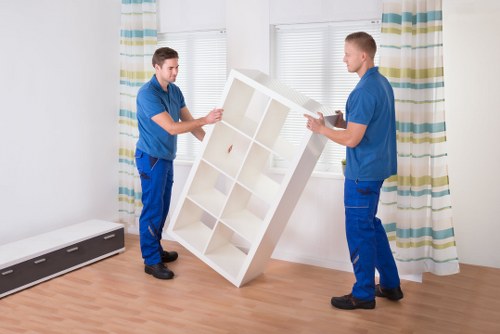
Commercial removals are not one-size-fits-all. A small creative agency has different needs from a medical practice, and a retail unit has different challenges from a storage facility or school office. When people ask about commercial removals in Harrow, they are usually seeking a service tailored to the type of business and the equipment involved.
Common commercial move types include:
- Office relocations for desks, chairs, filing systems, monitors, printers, and meeting room furniture
- Retail moves for stock, display units, tills, shelving, and shop fittings
- Workshop and light industrial moves for tools, machinery, racking, and boxed supplies
- Professional practice moves for clinics, consultancies, estate agencies, and administrative offices
- Warehouse and storage transfers for palletised goods, archive items, and bulk collections
- Multi-site and phased moves where the business needs to move gradually rather than in one day
Every move should begin with an assessment of what is being relocated, how it needs to be handled, and what access is available at both ends. This helps determine whether specialist packing is needed, whether items require dismantling, and how many vehicles or team members may be required.
What is typically included in a commercial move
Services that help the move run smoothly

When arranging a business relocation, many customers want to know exactly what is included. The answer depends on the size of the move and the requirements of the premises, but a good commercial moving service will usually focus on practical support that reduces workload for your staff and protects your assets. Commercial moves in Harrow can be built around your schedule, your access needs, and the level of support you want.
Typical elements may include:
- Pre-move planning to assess access, inventory, timings, and any special handling needs
- Packing support for files, office items, stock, and fragile equipment
- Dismantling and reassembly of desks, shelving, and selected furniture
- Careful loading and transport using suitable vehicles and moving equipment
- Placement at the new premises so rooms, departments, or workstations are set out sensibly
- Protection for floors, doors, and furniture where appropriate during loading and unloading
- Waste and packing material removal if arranged as part of the service
Some companies also need help with confidential files, archived documents, server rooms, or specialist items that should not be moved in the same way as ordinary office furniture. In those cases, it is important to speak openly about the contents of the move so the team can plan accordingly.
How a commercial move in Harrow usually works
The best commercial removals process is clear, structured, and built around your working day. If you are moving in Harrow, the planning stage should take into account local access issues, building rules, parking restrictions, and whether the move will happen during trading hours, in the evening, or over a weekend. Many local businesses prefer moving outside normal hours to keep customer disruption to a minimum.
The process often begins with an initial discussion about the size of the premises, the number of items involved, the destination, and the date or period you hope to move. From there, the moving team can suggest a realistic approach. If the business is moving from a ground-floor unit with easy loading, the plan may be straightforward. If the property is a first-floor office in a shared building or a retail unit on a busy street, the process may need extra time and coordination.
On moving day, the crew will usually work from a sequence: protect and prepare, load in a logical order, transport items carefully, and place them at the new site according to the agreed layout. This matters because a business move is not only about getting everything out; it is also about helping the new workplace become functional as quickly as possible. Good organisation saves time later.
Local knowledge: why Harrow businesses benefit from an experienced mover

Harrow is a busy and varied part of North West London, with a mix of residential streets, town-centre properties, commercial premises, and transit routes that can be difficult to navigate at peak times. For a business move, this means local experience can save time and reduce stress. A mover who understands the area will be more alert to traffic patterns near Harrow & Wealdstone, road activity around central Harrow, and access limitations near smaller side roads and mixed-use buildings.
This is especially useful for businesses in and around North Harrow, West Harrow, Kenton, Pinner, Sudbury, Rayners Lane, and Wembley border areas, where parking and loading conditions may vary significantly from one street to the next. Some locations are simple for a removal vehicle to reach, while others require advance consideration of permits, timing, or whether a smaller vehicle is more practical for the final approach.
Local knowledge also helps with customer communication. If the team understands how long a route is likely to take, where delays may happen, and what type of access is realistic, they can set clearer expectations from the start. That tends to make the whole relocation feel more controlled and less disruptive.
Planning your move around business operations
One of the biggest challenges with any business relocation is keeping the company functioning while the move is underway. Staff may need access to phones, computers, filing systems, and customer records. Retail operations may need to continue serving customers until the last possible moment. A commercial move should therefore be planned not only around the physical items, but also around how the business works day to day.
It can help to divide the move into clear stages. For example, non-essential items can be packed early, customer-facing areas can be handled last, and workstations can be assigned labels so that reassembly is faster at the new site. If you are moving a practice, studio, or office in Harrow, the move may also need to be scheduled in phases to reduce downtime. This approach is especially useful for businesses that cannot stop trading for long.
Planning ahead makes a measurable difference. It can reduce confusion on the day, help staff know what to do, and make it easier to prioritise important equipment. A reliable mover will encourage this approach because it helps the relocation run more efficiently and with fewer surprises.
Preparation checklist for businesses
How to get ready before moving day

Preparation is one of the biggest factors in a smooth commercial relocation. If you are arranging business moves in Harrow, a simple checklist can help your team stay organised and avoid last-minute issues. The more clearly items are labelled and responsibilities assigned, the easier it becomes to keep the move on schedule.
Useful preparation steps include:
- Confirm the moving date and preferred time window
- Notify staff of the moving plan and who is responsible for each area
- Back up important digital files and secure devices before packing
- Label boxes by department, room, or workstation
- Separate essential items that will be needed immediately at the new premises
- Measure large furniture or equipment to check access at both properties
- Reserve any required parking or loading arrangements where possible
- Check whether lift access, key collection, or building permissions are needed
- Remove personal items and clearly identify confidential materials
If your business has high-value equipment, fragile items, or specialist tools, it is sensible to create a separate handling list. This helps the moving team understand what requires extra care and what should be loaded first or last. For bigger offices, appointing a move coordinator from your side can also make communication easier.
Access, parking, and building considerations in Harrow
Harrow offers a mix of property styles, and that variety can affect how a commercial move is carried out. Some premises have private parking or rear access. Others are located on busier streets with limited stopping time, shared entrances, or restricted loading areas. Offices above shops, converted buildings, and older properties can also create stair access or narrow corridor challenges.
For businesses near the town centre or in mixed-use areas, it is worth thinking carefully about vehicle access before moving day. A larger van or lorry may not always be the best choice if the street is tight or if parking is limited. In some cases, a smaller shuttle vehicle can be more practical for the final stage of the move. This type of flexible approach is especially useful when there is limited space to manoeuvre or when other businesses need to keep their own access clear.
If your premises have lift restrictions, shared loading bays, or managed building requirements, these details should be shared early. The more accurate the information, the easier it becomes to build a move plan that suits the site. This is one of the main reasons local commercial removals are so valuable: they are shaped by real conditions on the ground, not just a generic moving checklist.
Pricing factors for commercial moves
Customers often ask what affects the cost of a business move. While exact prices vary from one job to another, there are predictable factors that tend to influence the final quotation. Understanding these can help you compare moving options more confidently and decide what level of support you actually need.
Common pricing factors include:
- Move size and the number of items being relocated
- Distance between the current and new premises
- Access conditions such as stairs, lifts, narrow entrances, or parking limits
- Packing requirements and whether materials are supplied
- Dismantling/reassembly needs for desks, storage units, and fitted furniture
- Timing if the move needs to happen outside normal business hours
- Special handling for fragile, confidential, or heavy items
- Number of staff and vehicles needed to complete the work efficiently
A detailed quote should reflect the actual move, not an off-the-shelf estimate that ignores access or complexity. If your business is in a challenging part of Harrow or operating from a multi-floor building, it is worth being honest about those conditions from the start. Accurate information usually leads to a more useful and realistic moving plan.
Why businesses choose a local company for commercial removals
There are many reasons a Harrow business might choose a local mover rather than a distant provider. Local companies are often easier to communicate with, more familiar with the area, and better prepared for the practical details that affect real moving days. If you need a follow-up collection, phased delivery, or a quick adjustment to timings, local support can be much more responsive.
A local provider is also likely to understand the common building types in the borough, from high-street units to business centres and converted office spaces. That experience can shape better decisions about packing, vehicle choice, and the sequence of the move. It can also be useful when working around commuter traffic, school-run congestion, or weekend trading patterns that affect access in and around Harrow.
For many customers, the real benefit is peace of mind. Knowing that the move is handled by a team that understands local conditions can make the process feel far more manageable. It is not about making the move look easy; it is about making it genuinely organised.
What kinds of customers use commercial moves in Harrow?
Commercial relocations are needed by a wide range of organisations. Some are small and agile, while others have more complex operational requirements. In Harrow, the demand often comes from businesses that are growing, downsizing, consolidating offices, or relocating to a more suitable property.
Typical customers include:
- Independent offices and start-ups
- Professional service firms
- Retail shops and showrooms
- Medical, therapeutic, and wellness practices
- Educational and training spaces
- Warehouses, workshops, and storage businesses
- Landlords and managing agents arranging moves for commercial tenants
Each customer group has different priorities. Some need discretion and quiet handling. Others need speed and a clear room-by-room plan. The best approach is always the one that matches the business you run and the premises you are moving into.
Areas covered around Harrow
Businesses looking for commercial moves in Harrow often need support not only in the town itself, but also across nearby neighbourhoods and surrounding districts. A local service is usually valuable for moves within and around:
- Harrow on the Hill
- Harrow & Wealdstone
- North Harrow
- West Harrow
- South Harrow
- Rayners Lane
- Sudbury Hill
- Kenton
- Pinner
- Wembley border locations
If your business is relocating between Harrow and one of these nearby areas, the journey may be short, but the access conditions can still differ significantly. That is why a local moving team should never assume the move will be simple just because the distance is small.
Frequently asked questions
Can a commercial move be done outside business hours?
Yes, many businesses prefer evening, early morning, or weekend moves to reduce disruption. The right timing depends on the property, access conditions, and what the business needs to keep operating.
Do I need to pack everything myself?
Not necessarily. Some businesses prefer to handle the packing internally, while others want support for files, stock, or fragile equipment. It is common to use a mix of self-packing and professional packing depending on the item type.
What if my office is on an upper floor or in a shared building?
That is very common in Harrow. The move can still be managed effectively, but the team will need to know about lift access, stairways, service entrances, and any restrictions on moving times or parking.
How far in advance should I arrange the move?
As early as possible. More lead time gives you a better chance to organise staff, liaise with building management, and plan around trading hours or other business commitments.
Can a commercial removal service handle fragile electronics and confidential files?
Yes, provided the details are shared in advance. Sensitive materials and equipment should be identified clearly so they can be packed and transported in the most suitable way.
Will the movers help set items in the right rooms?
Usually, yes. Placement at the destination is often part of the move, especially when departments, workstations, or retail areas need to be arranged in a certain order.
How to choose the right mover for your business
When comparing options for commercial moves in Harrow, look beyond the initial conversation and focus on practical fit. The best mover is the one that listens carefully, asks about access, and shows that they understand the difference between a simple lift-and-load job and a more complex business relocation. If they ask about your furniture, paperwork, stock, timings, and building layout, that is a good sign.
It is also worth checking whether the mover can adapt to phased moves, tight deadlines, or specialist handling requirements. Businesses often change plans as the moving date approaches, so flexibility can be just as important as manpower. A useful commercial moving partner should make the process easier, not add pressure to it.
Look for clear communication, a practical approach, and a service that is shaped around your premises rather than the other way around.
Book your commercial move in Harrow
If you are preparing a business relocation and want a smooth, organised experience, now is the right time to make enquiries. The earlier you plan, the easier it is to avoid delays, protect equipment, and keep your team informed. Whether you are moving a small office, a retail unit, or a larger commercial space, a local mover can help you take the next step with confidence.
Contact us today to discuss your requirements, request a free quote, and find out how your move could be scheduled around your business needs. If you are ready to get started, book your service now and make your commercial relocation in Harrow easier to manage from day one.
Helpful final points before you enquire
Before you request a quote, it helps to have a rough idea of the moving date, the size of the premises, the number of floors involved, and whether packing or dismantling support is needed. If you can share a simple inventory, the quote process is usually quicker and more accurate. You do not need every detail finalised before making contact; even a broad outline can be enough to begin planning.
Harrow businesses choose local commercial removals for many reasons: convenience, practical knowledge, faster coordination, and the reassurance that the move is being handled by a team that understands the area. Whether you are expanding into a larger office or relocating to a more suitable unit, a well-planned move can give your business a cleaner start in the new space.
In short
Commercial moves in Harrow should be planned around your operation, your building, and your schedule. With the right preparation and a local moving team, the process can be far more straightforward than many businesses expect.